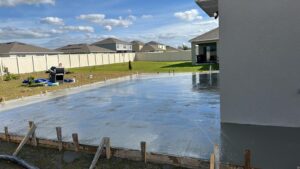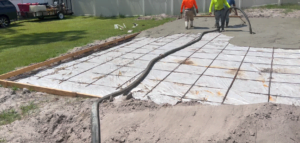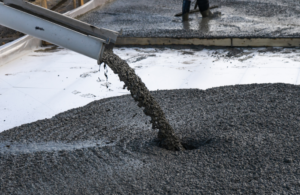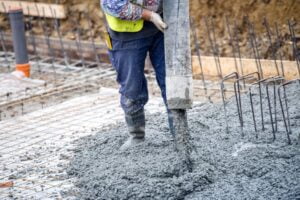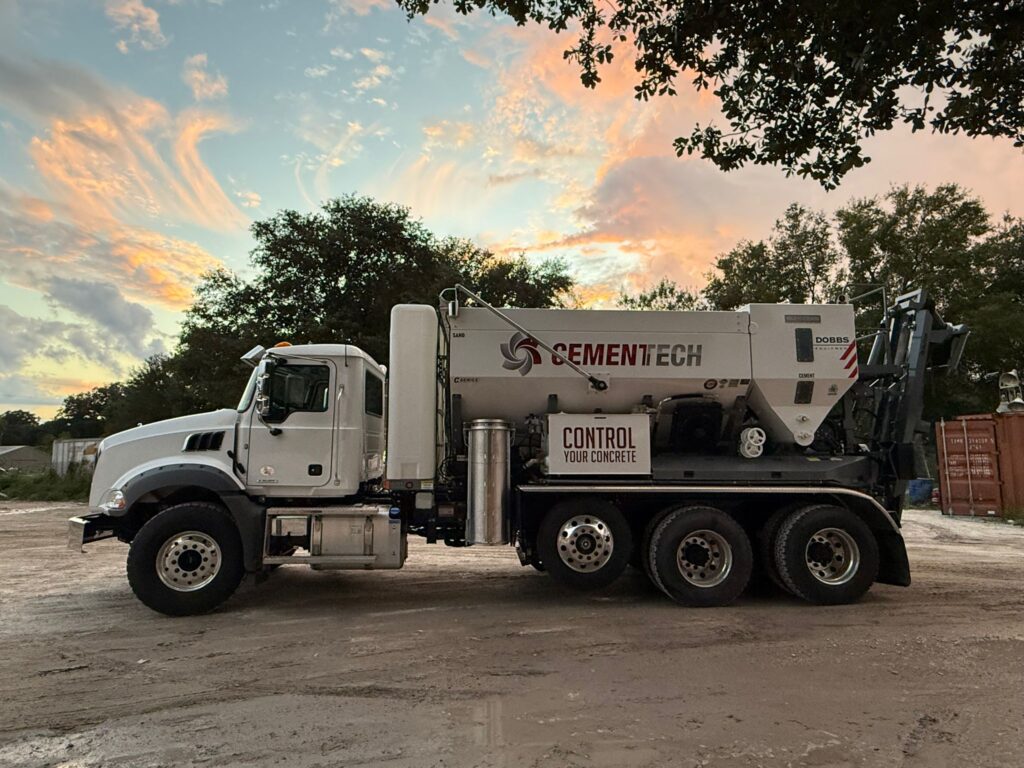

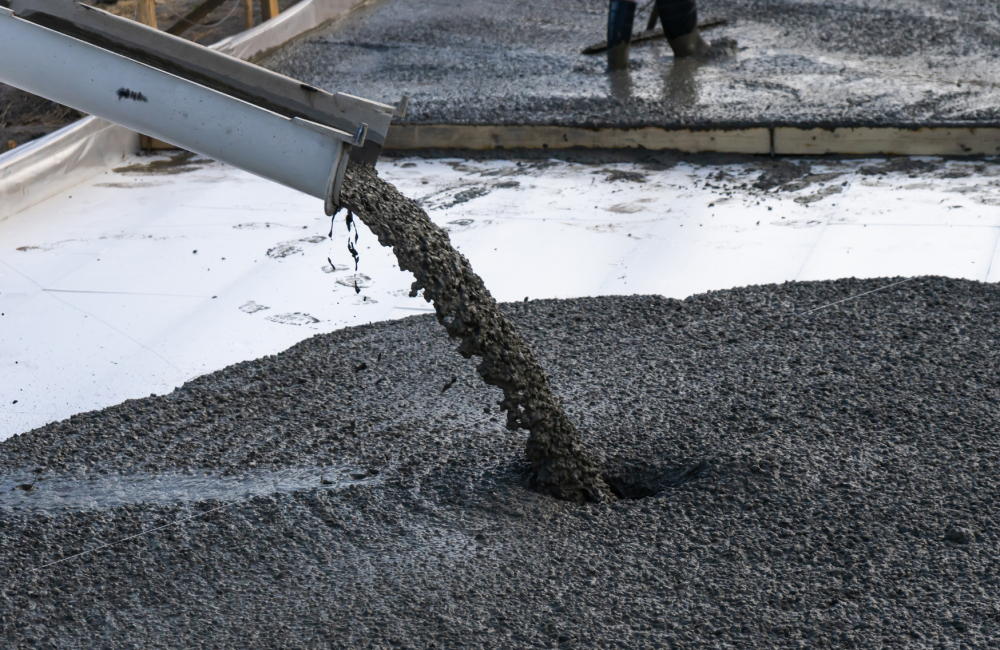
Ready mix concrete comes in several types, each designed for specific construction needs and applications, ranging from standard structural use to specialized performance requirements.
1. Standard Ready Mix Concrete
This is the most commonly used type for general construction purposes. It is mixed at a batching plant and delivered to the site in a ready-to-use state. It is suitable for residential, commercial, and infrastructural projects where standard strength and durability are adequate.
2. High-Strength Concrete
High-strength concrete is designed to achieve greater compressive strength, usually above 6,000 psi. This type is ideal for high-rise buildings, bridges, and structural components that carry heavy loads. It often uses low water-cement ratios and superplasticizers to enhance strength without losing workability.
3. Air-Entrained Concrete
Air-entrained concrete incorporates tiny air bubbles which improve resistance to freeze-thaw cycles and increase durability in cold climates. It is commonly used for pavements, sidewalks, and exterior structures exposed to environmental stress.
4. Ready Mix Fiber-Reinforced Concrete
Fiber-reinforced concrete includes steel, glass, or polypropylene fibers to improve tensile strength, reduce cracking, and enhance impact resistance. This is useful in industrial flooring, pavements, and heavy machinery foundations.
5. Self-Compacting Concrete (SCC)
Self-compacting concrete flows easily without the need for mechanical vibration, which makes it ideal for highly congested reinforcement structures or forms with complex shapes. It ensures uniformity and reduces labor costs.
6. Lightweight Concrete
Lightweight concrete uses lightweight aggregates such as expanded clay or pumice, reducing overall weight while maintaining strength. This type is useful for roof slabs, bridge decks, and buildings where weight reduction is critical.
7. Ready Mix Shotcrete / Gunite
Applied by spraying, shotcrete or gunite is used for tunnel linings, swimming pools, and retaining walls. It is especially suitable for irregular surfaces and vertical structures because it adheres directly upon impact.
8. High-Performance Concrete (HPC)
High-performance concrete is engineered for extreme durability, chemical resistance, or low permeability, often used in marine structures, industrial plants, and infrastructure exposed to aggressive environments. It combines special admixtures and optimized mix designs.
9. Colored Concrete
Colored concrete uses pigments added to the mix to achieve desired aesthetic appearance for landscaping, architectural elements, or decorative floors.
Choosing the right type depends on structural requirements, environmental conditions, and intended use. Ready mix concrete is popular because it ensures consistent quality, precise mix ratios, and reduces on-site labor.